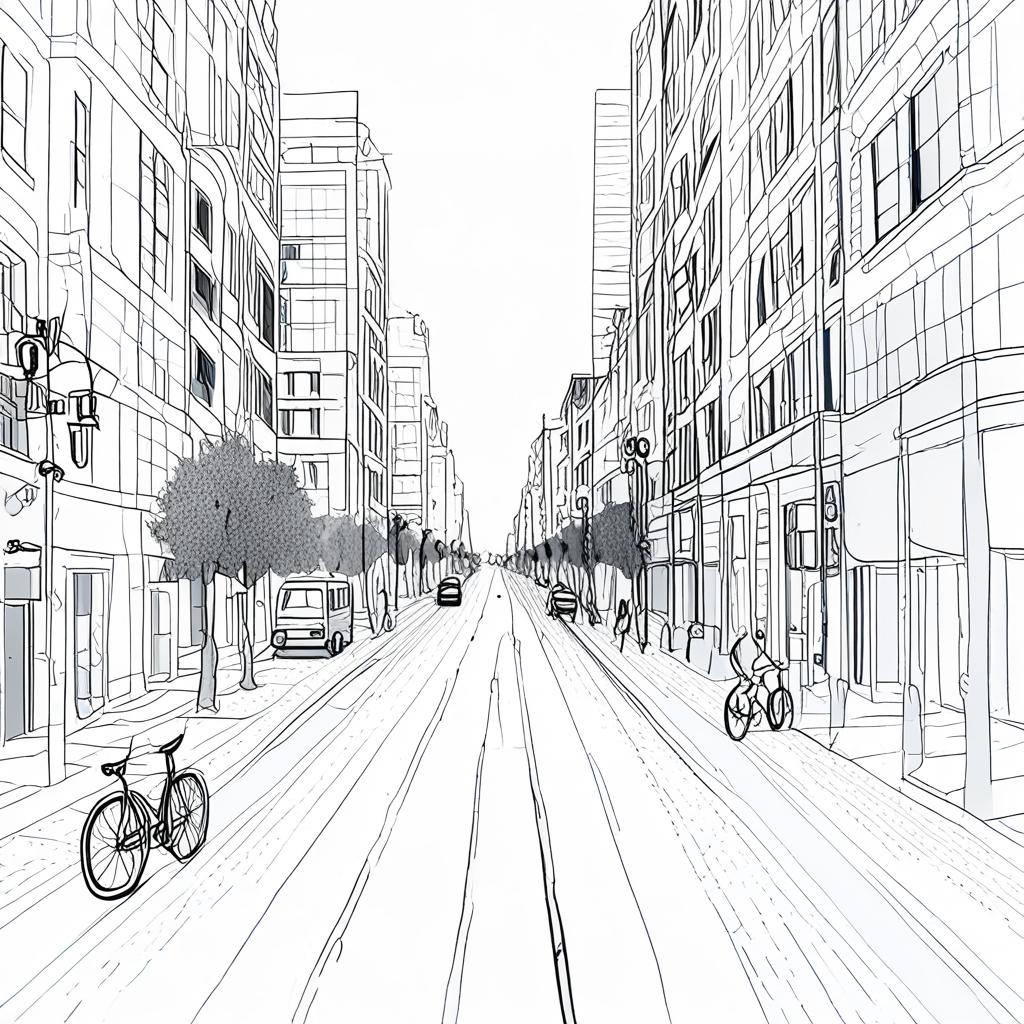
The city's adoption of guerrilla bike lanes redefines urban planning, prioritizing community-driven innovation over bureaucratic red tape.
Executive Overview
San Francisco's transportation landscape has undergone a significant transformation with the city's decision to make guerrilla bike lanes a permanent fixture. In 2016, the city's Department of Public Works (DPW) officially sanctioned the installation of these illicit bike lanes, which were initially created by community activists in response to the city's slow pace of infrastructure development.
By embracing this grassroots approach, San Francisco is challenging traditional notions of urban planning and infrastructure development. This shift has significant implications for urban mobility, community engagement, and the role of local government in shaping the city's physical environment.
Technical Breakdown & Key Innovations
The guerrilla bike lanes in question were created by community activists who took matters into their own hands, installing bike lanes without official permission. However, rather than being seen as a form of vandalism, these unauthorized installations were eventually recognized as a valuable contribution to the city's transportation infrastructure.
Key innovations in this approach include:
- Community-driven innovation: By empowering community members to take an active role in shaping their city's infrastructure, San Francisco is fostering a culture of collaboration and creativity.
- Adaptive urban planning: The city's willingness to adapt to community needs and desires is a significant departure from traditional top-down approaches to urban planning.
- Partnerships and collaboration: The DPW's decision to work with community activists and other stakeholders has created a more inclusive and effective approach to infrastructure development.
Business Impact & Industry Implications
The adoption of guerrilla bike lanes in San Francisco has significant implications for urban planning, transportation, and community engagement. This approach:
- Challenges traditional infrastructure development: By prioritizing community-driven innovation, San Francisco is pushing the boundaries of what is possible in urban planning.
- Emphasizes community engagement: This approach recognizes the importance of community involvement in shaping the city's physical environment.
- Encourages adaptive urban planning: By embracing change and adapting to community needs, San Francisco is creating a more responsive and effective approach to urban planning.
What's Next & Strategic Takeaways
San Francisco's decision to make guerrilla bike lanes a permanent fixture is a significant step forward in urban planning and community engagement. As cities around the world continue to grapple with the challenges of urbanization, this approach offers valuable lessons for:
- Empowering community members: By giving community members a greater role in shaping their city's infrastructure, cities can foster a culture of collaboration and creativity.
- Adapting to community needs: Cities must be willing to adapt to changing community needs and desires, rather than relying on traditional top-down approaches.
- Encouraging partnerships and collaboration: By working with community activists, stakeholders, and other partners, cities can create more inclusive and effective approaches to infrastructure development.
As cities continue to evolve and grow, San Francisco's adoption of guerrilla bike lanes serves as a powerful reminder of the importance of community-driven innovation, adaptive urban planning, and partnerships in shaping the future of urban mobility.